Skip to product information
1 of 24

Hadakake (Lightweight) Futon Quilt , Artisan Handmade (Fabric: Yukata Fabric, Filling: Linen 100%) Single size

Hadakake (Lightweight) Futon Quilt , Artisan Handmade (Fabric: Yukata Fabric, Filling: Linen 100%) Single size

Regular price $615.00 USD
Regular price Sale price $615.00 USD
Sale Sold out
Yukata Fabric and Enshu Weave Fabric Color
Quantity

View full details

Made to Order | Current production time: about 3 weeks

Each futon is made after your order is confirmed.
Production time may vary depending on the season.

Features

  • Hadakake (Lightweight) Futon Quilt made with traditional Japanese textiles
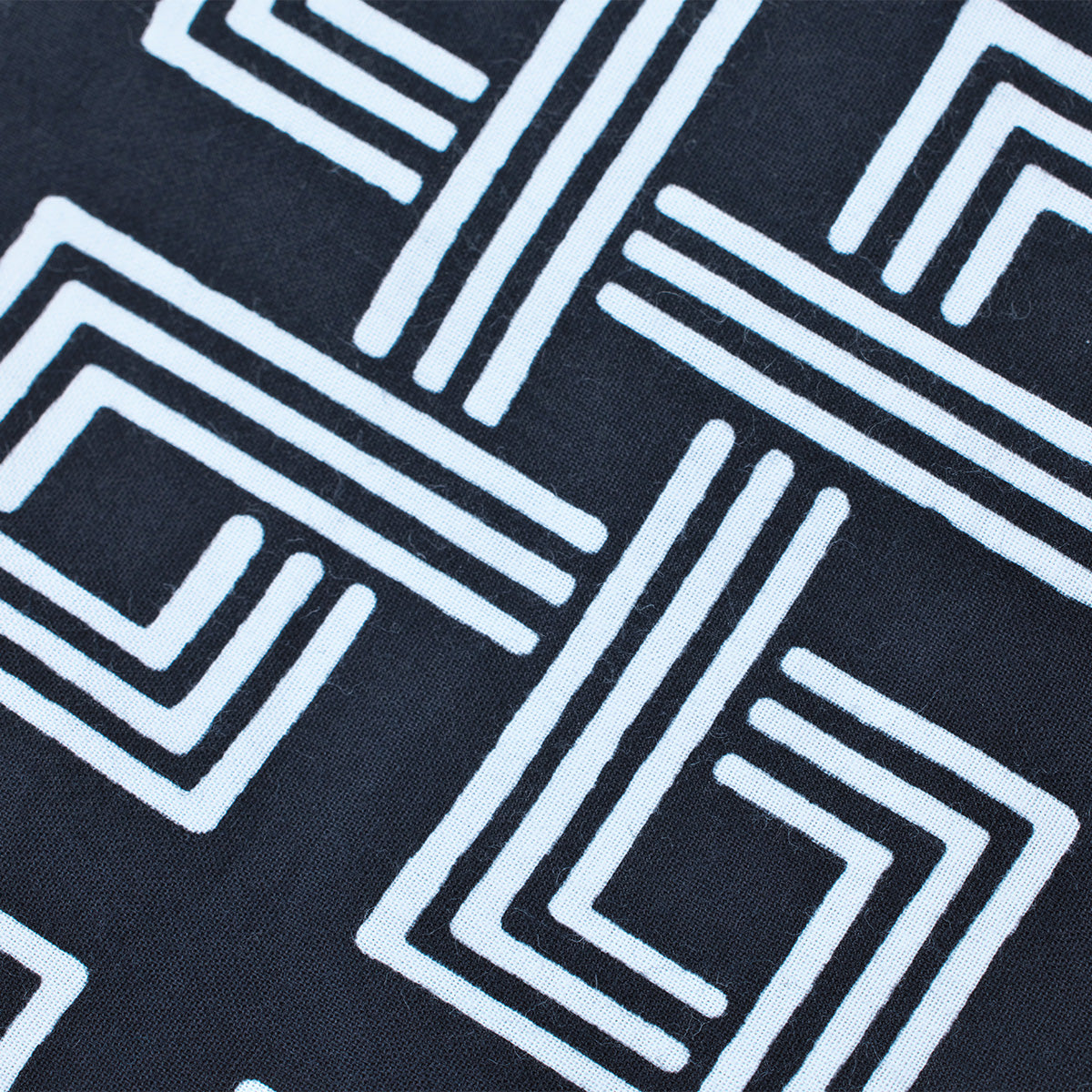
  • Patterned fabric made from hand-dyed yukata fabric
  • Plain fabric made with Enshu cotton-linen weave
  • Filled with 100% linen
  • Much thinner than our cotton-filled Hadakake Futon Quilt
  • Designed for warmer seasons, mild rooms, or use as a thin top layer
  • Handcrafted in Japan

About This Hadakake Futon Quilt

This Hadakake Futon Quilt is made with hand-dyed yukata fabric and Enshu cotton-linen weave. It is designed as a light quilt for warmer seasons, mild rooms, or as a thin top layer.

The patterned section uses yukata fabric from Marukyu Shoten, a long-established textile shop in Nihonbashi, Tokyo. The plain section uses Enshu cotton-linen fabric, which has a natural texture and becomes softer with use.

The filling is 100% linen, giving the quilt a thin and breathable feel. It is suitable for warm weather or air-conditioned rooms where you want just a gentle layer.

Materials

  • Patterned fabric: 100% cotton yukata fabric
  • Plain fabric: 75% cotton, 25% linen Enshu weave fabric
  • Filling: 100% linen
  • Filling weight: approx. 0.4 kg (0.9 lb)

Linen Filling & Thickness

This quilt is much thinner than our cotton-filled Hadakake Futon Quilt.

For the same fabric size, our cotton-filled Hadakake Futon Quilt uses approx. 1.8 kg (4.0 lb) of cotton filling. This linen-filled version uses approx. 0.4 kg (0.9 lb) of linen filling.

It is made for light coverage rather than thick warmth.

Thickness comparison between cotton-filled Hadakake Futon Quilt and linen-filled Hadakake Futon Quilt

Size - Single size only

  • Fabric size: 200 × 150 cm (78.7 × 59.1 in)

All measurements and weights are approximate.

Yukata Fabric and Enshu Weave

The patterned fabric is a real yukata fabric with a traditional Japanese design. It brings a quiet presence to the quilt while keeping the overall feel light.

The plain fabric is made with Enshu cotton-linen weave. Together, the two fabrics create a gentle contrast of pattern and texture.

Handmade Details

Hand-stitched futon finish Hand-tufting process Corner tie detail

Hand-Stitched Finish

Each Hadakake Futon Quilt is carefully sewn closed by hand after the filling is layered.

Hand-Tufting

The hand-tufting helps hold the filling in place while keeping the quilt light and comfortable.

Corner Tie

The corner ties help hold the filling in place near the corners.

About Marukyu Shoten

Marukyu Shoten was established in 1899 in Nihonbashi, Tokyo as a wholesaler of Chu-sen products.

Chu- sen is a dyeing technique that originated in the Meiji era (1868-1912).
It was mainly used for yukata (light cotton kimono) and towels and was a part of people's daily life at that time.

Marukyu continues to offer yukata (summer kimonos) and towels that can only be made with Tokyo Chu-sen dyeing.

Marukyu has added color to Japanese arts and seasonal festivals by producing many patterns and designs under the name "Shin-Edo Dyeing".

Today, the production of Chu-sen is not limited to its use, but is part of the Chu-sen dyeing culture.

Read More about Marukyu

EDO Tokyo Kirari Project
TOKYO Teshigoto

What is Chusen Dyeing?

 1. Paper Patterns

The Chusen paper patterns apply a dyeing resist paste to the fabric in  order to create a pattern. 

This product method is charactaized by pattern length of around 100cm.  Marukyu Shoten has an immense quantity of paper patterns made from tanned paper that we have been collecting since we fist began operating  in the Meiji Era (1867- 1912).  They utilize these patterns as a resource to design, produce, and present Chu-sen products that meet modern needs. 

 2. Stencil printing (on cloth)

Using a paper pattern, the fabric is dipped in dye-resistant glue. 

The process is repeated: first a pattern is applied, then a long piece of fabric is folded over, then another pattern is applied, and so on. There may be 20 to 40 layers.

The areas covered with anti-staining glue do not allow dye to enter, so the pattern is dyed using this mechanism.

3. Dyeing

The dye is poured from the top of the fabric, which is folded into a bellows, into a narrow spouted kettle.

Then, a special machine is used to reduce the pressure from below and inhale the dye. The dye passes through the layered fabric from top to bottom at once, and the fabric is dyed.

The fabric is then turned inside out and the same process is repeated so that the dyed fabric has no back and is dyed in exactly the same way.

4. Washing

The dyed fabric is washed in water to remove excess paste and dye.

After dehydration, the fabric is hung on a 10-meter-high outdoor drying rack to dry in the sun.

This process is an emotional scene that is unique to the traditional dyehouse.

5. Finishing

If it is a hand towel, we cut it in the specified length and pack it.

Manufacturer of the Fabric - Shinchi Orimono

Enshu-Tsumugi is a traditional Japanese textile from the Enshu region of Shizuoka, with a history dating back to the Edo period.

Once known as one of Japan’s major cotton-producing regions, Enshu continues to be home to skilled weavers who preserve and refine the craft today.

Care Instructions

Washing

Place the item in a laundry net and wash separately on a gentle or hand-wash cycle.

To help prevent color transfer, we recommend washing it separately for the first few washes.

Do not use bleach or detergents containing optical brighteners.

After washing, reshape gently and dry in the shade as soon as possible.