Pular para as informações do produto
1 de 5

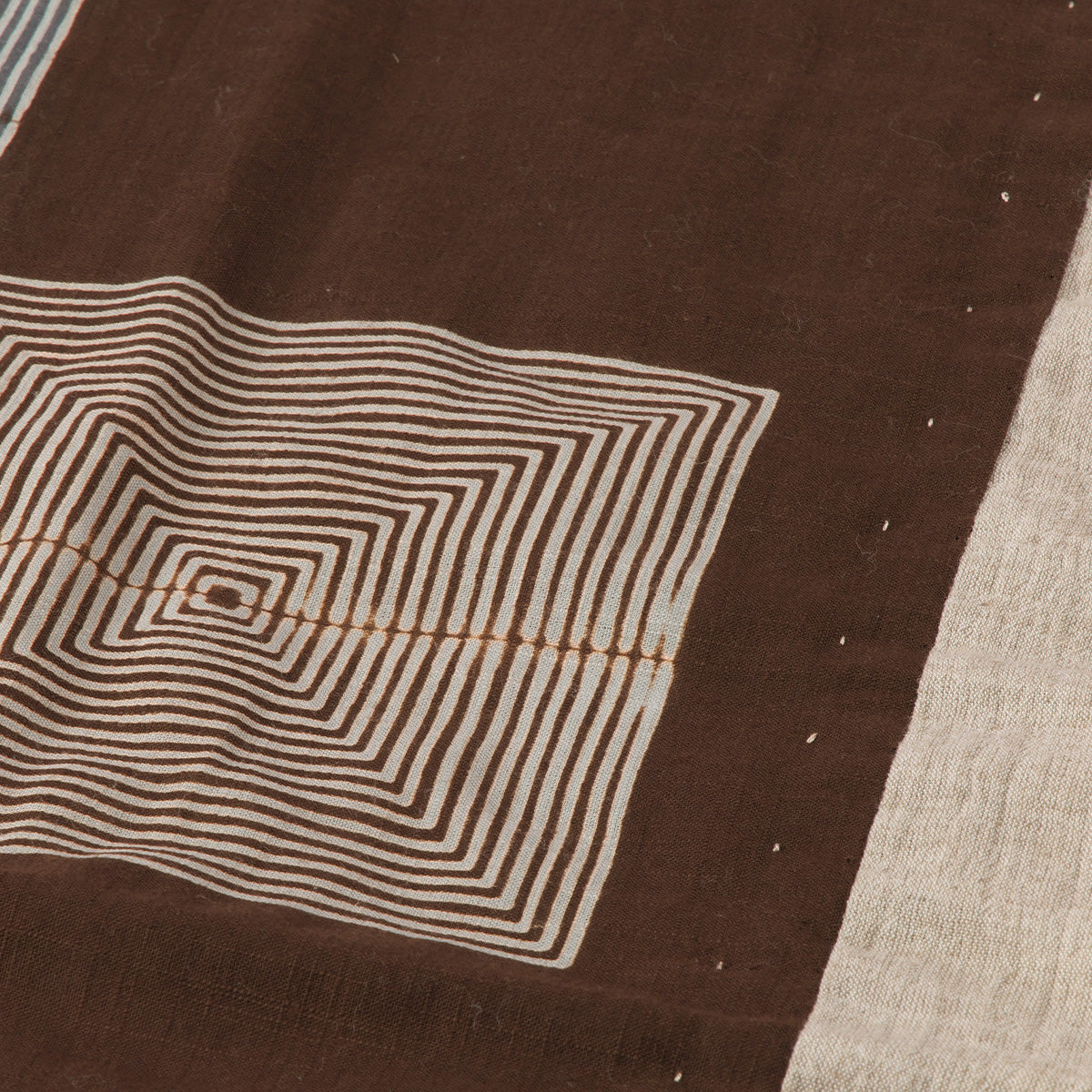
Cobertor de colo / Tecido Yukata × Enshu Weave

Cobertor de colo / Tecido Yukata × Enshu Weave

Preço normal $113.00 USD
Preço normal Preço promocional $113.00 USD
Promoção Esgotado
cor
Quantidade

Ver informações completas

Made to Order | Current production time: about 3 weeks

Each futon is made after your order is confirmed.
Production time may vary depending on the season.

Features

A lightweight lap throw made from a combination of traditional Japanese textiles and linen filling.

Its compact size makes it easy to use over your lap or shoulders, while reading, relaxing on the sofa, or taking a short rest. When not in use, it can be rolled or folded for easy storage.

  • Size: 100 × 70 cm (39.4 × 27.6 in)
  • Filling: 100% linen  approx. 0.2 kg (0.4 lb)
  • Patterned fabric: 100% cotton
  • Plain fabric: 75% cotton, 25% linen
  • Handmade
  • Made in Japan


Hand-dyed yukata fabric and Enshu cotton-ramie mix come together in this Lap throw, thoughtfully refined by skilled futon artisans for lightness, comfort, and everyday use.

The top layer features Chusen-dyed yukata textile produced by Marukyu Shoten, using a time-honored Japanese hand-dyeing technique. Chusen dyeing allows color to penetrate the fabric completely, creating rich patterns that are equally beautiful on both sides. Subtle variations in tone and pattern reflect the handmade process, giving each piece its own unique character.

The reverse side is made from Enshu weave cotton-ramie mix, a regional textile known for its gentle crinkled texture, breathability, and excellent moisture regulation. The blend of cotton and ramie keeps the fabric light, airy, and comfortable throughout the year.


About Marukyu Shoten

Marukyu Shoten was established in 1899 in Nihonbashi, Tokyo as a wholesaler of Chu-sen products.

Chu- sen is a dyeing technique that originated in the Meiji era (1868-1912).
It was mainly used for yukata (light cotton kimono) and towels and was a part of people's daily life at that time.

Marukyu continues to offer yukata (summer kimonos) and towels that can only be made with Tokyo Chu-sen dyeing.

Marukyu has added color to Japanese arts and seasonal festivals by producing many patterns and designs under the name "Shin-Edo Dyeing".

Today, the production of Chu-sen is not limited to its use, but is part of the Chu-sen dyeing culture.

Read More about Marukyu

EDO Tokyo Kirari Project
TOKYO Teshigoto

What is Chusen Dyeing?

 1. Paper Patterns

The Chusen paper patterns apply a dyeing resist paste to the fabric in  order to create a pattern. 

This product method is charactaized by pattern length of around 100cm.  Marukyu Shoten has an immense quantity of paper patterns made from tanned paper that we have been collecting since we fist began operating  in the Meiji Era (1867- 1912).  They utilize these patterns as a resource to design, produce, and present Chu-sen products that meet modern needs. 

 2. Stencil printing (on cloth)

Using a paper pattern, the fabric is dipped in dye-resistant glue. 

The process is repeated: first a pattern is applied, then a long piece of fabric is folded over, then another pattern is applied, and so on. There may be 20 to 40 layers.

The areas covered with anti-staining glue do not allow dye to enter, so the pattern is dyed using this mechanism.

3. Dyeing

The dye is poured from the top of the fabric, which is folded into a bellows, into a narrow spouted kettle.

Then, a special machine is used to reduce the pressure from below and inhale the dye. The dye passes through the layered fabric from top to bottom at once, and the fabric is dyed.

The fabric is then turned inside out and the same process is repeated so that the dyed fabric has no back and is dyed in exactly the same way.

4. Washing

The dyed fabric is washed in water to remove excess paste and dye.

After dehydration, the fabric is hung on a 10-meter-high outdoor drying rack to dry in the sun.

This process is an emotional scene that is unique to the traditional dyehouse.

5. Finishing

If it is a hand towel, we cut it in the specified length and pack it.

Manufacturer of the Fabric - Shinchi Orimono

Enshu-Tsumugi is a traditional Japanese textile from the Enshu region of Shizuoka, with a history dating back to the Edo period.

Once known as one of Japan’s major cotton-producing regions, Enshu continues to be home to skilled weavers who preserve and refine the craft today.

Washing guide

Due to the nature of the fabric dyeing, the color may transfer to the skin or other fabrics due to perspiration of friction at the beginning of use.

Repeated washing will reduce the frequency. However, please note that the color of the dye may transfer to other fabrics when wet.

After getting wet, hang it to dry as soon as possible.

Washing guide for this item

  • Hand wash max 40C/104F
  • Do not bleach
  • Do not tumble dry
  • Hang-Dry in the shade
  • No Dry cleaning

Hand Washing

When washing, please hand-wash separately from other items.

Hand washing with large amounts of water is recommended instead of using a washing machine. Basically, wash in cold water.

If it is heavily soiled, wash it gently with a mild detergent such as neutral detergent.

Since it drains well, wring out the water by hand, dehydrate, and hang dry on hangers or towel racks.