


Description
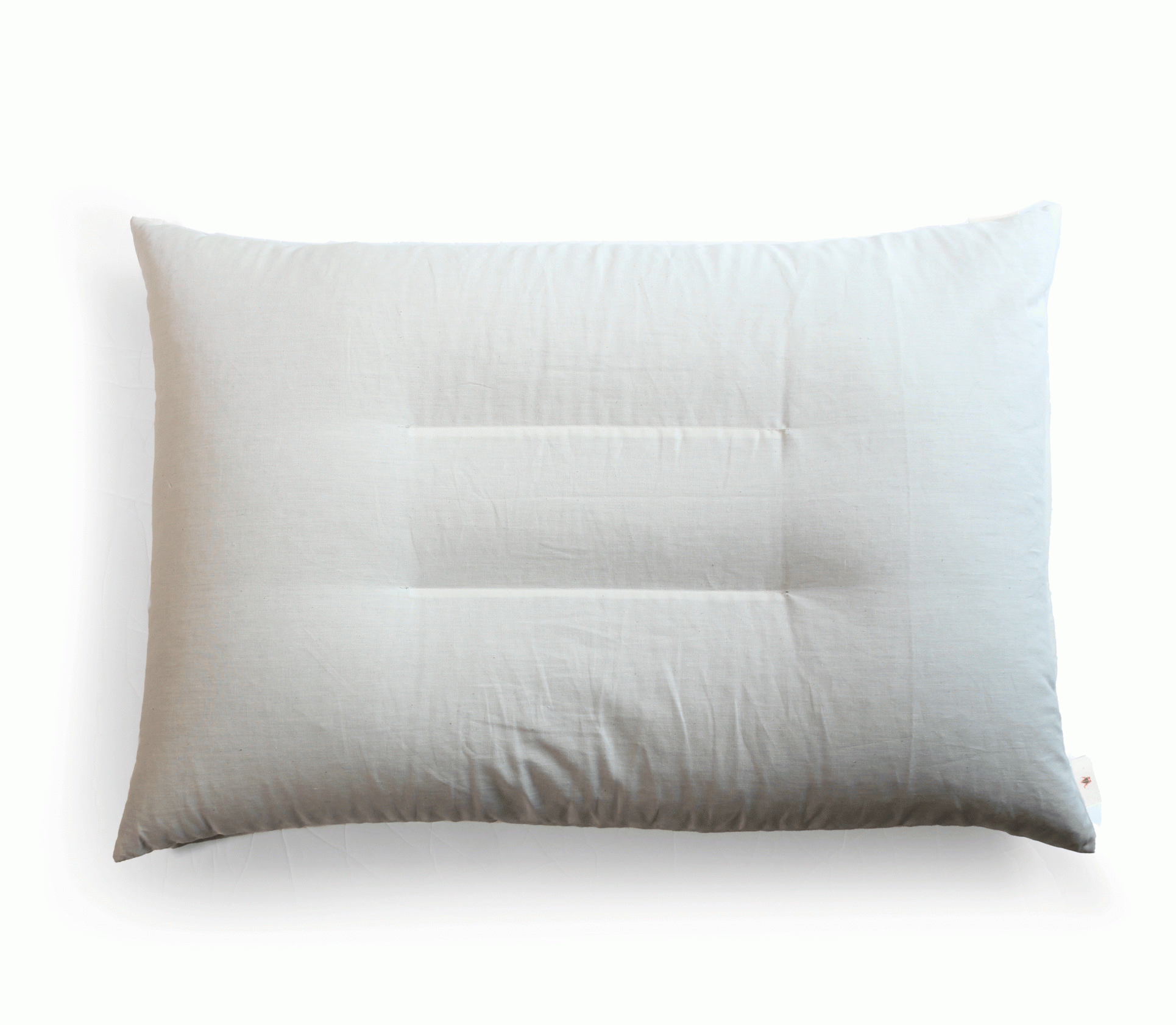
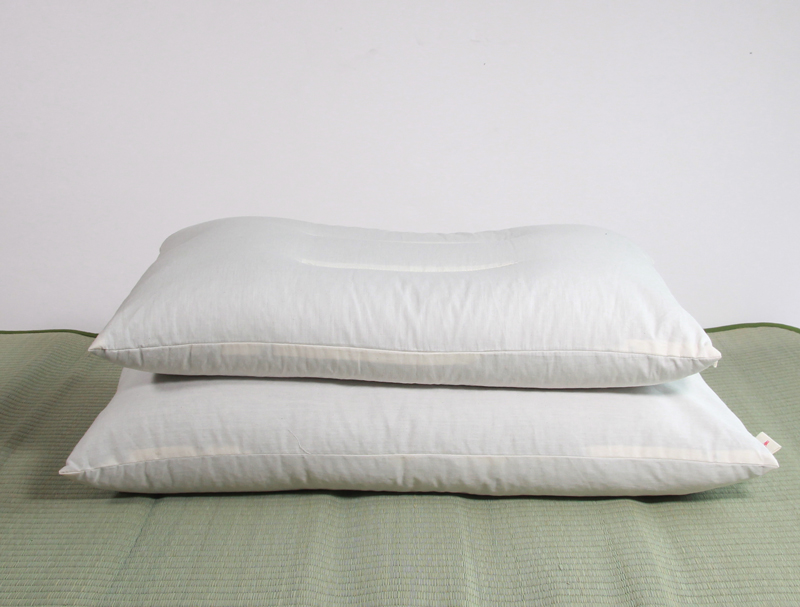
Small : 13.7″ x 19.6″ (35cm x 50cm)
Weight of buckwheat hull : 1.5kg / 3.3 lbs
Large : 16.9″ x 24.8″ (43cm x 63cm)
Weight of buckwheat hull : 2.5kg / 5.5lbs
Fabric : Organic cotton 100%
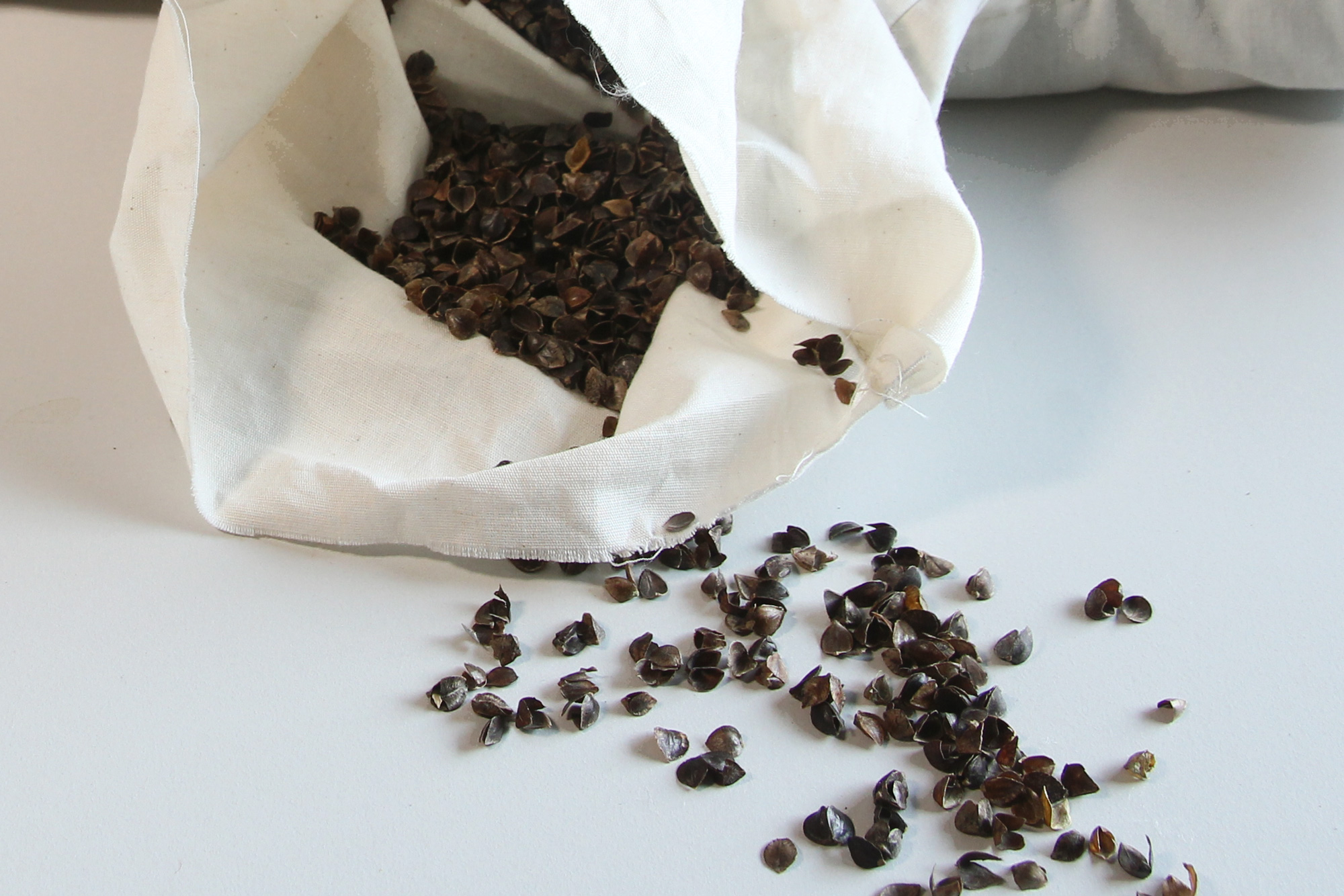
Filling : Japanese buckwheat hulls 100% (harvested and processed in Japan)
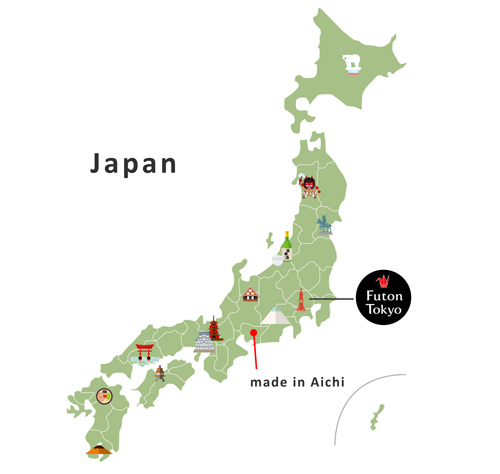
This is an authentic buckwheat pillow made in Japan, the birthplace of buckwheat pillows.
Designed for those who appreciate natural materials and traditional craftsmanship.
A faint natural scent from buckwheat hulls may be present.
If needed, sun-drying will help reduce the smell quickly.
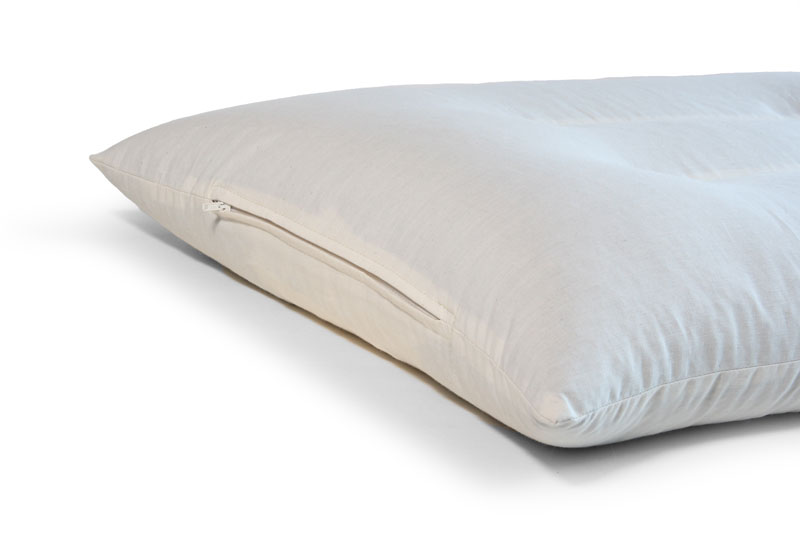
 Please use envelope-type cases or covers made of elastic fabric for buckwheat hull pillows instead of fastener-type pillowcases. Since buckwheat hull pillows are filled to the brim, it is too tight to put them in a fastener-type cover which has narrow opening.



Characteristics of this product

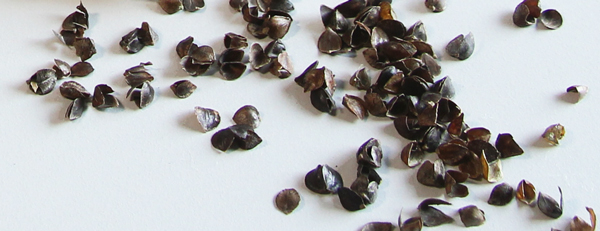
The “three-sided” buckwheat hulls are mostly used. They create space between them for better air flow.
Thanks to its structure, it uses less buckwheat hulls but has more bulk and is as a result lighter.
Chemical Free
Finely selected Japanese grown buckwheat hulls are heated in a kiln at about 100 ºC (212ºF) and microwave irradiation is used to kill insects and eggs attached to the buckwheat hulls. This process is good for our health and the environment because it kills insects, dehumidifies, and dries buckwheat hulls without the use of chemicals.

Precautions for use
1. When use, powder come out
Dried buckwheat hulls will crack if placed under a heavy load. Please understand that this is characteristic of a buckwheat pillow.
Since buckwheat hulls are natural plant hulls (from buckwheat seeds), they will lose their height and volume if they are rubbed or crushed while being used. In addition, in rare cases crushed buckwheat hulls may come out of the zipper. If you are concerned about this, please take out all the buckwheat hulls, sift them through a sieve, and put only the intact hulls back into the pillow.
2. Storage and handling
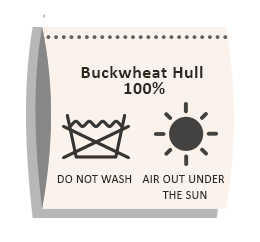
When storing a buckwheat pillow, avoid high temperatures and humidity and keep it in a well-ventilated place.
If stored in a humid or poorly ventilated place, buckwheat hulls are more likely to attract mites and other common household insects. After use, dry the pillow regularly in the sun to keep it moisture-free. It is not eligible for return if it becomes infested with insects after use.
3. Allergic reactions
Some people are allergic to buckwheat. Please stop using the pillow if you have a physical reaction during use.
History of buckwheat pillows
Natural "buckwheat hulls" have long been a common material for pillows in Japan.
Generally, buckwheat hulls are what remains after buckwheat is harvested and dried in the sun for several days to remove the fruit. Because buckwheat hulls are a natural material, they absorb and dissipate moisture and are cool in the summer, making them popular among those familiar with their use.
As soba became popular in Japan during the Edo period (1603-1867), people began to recycle and utilize the hulls, a byproduct of grinding the buckwheat into flour. This may have been the result of the wisdom and ingenuity of Edo society, where life as a whole was based on recycling.

Submit your review | |